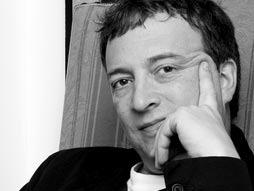
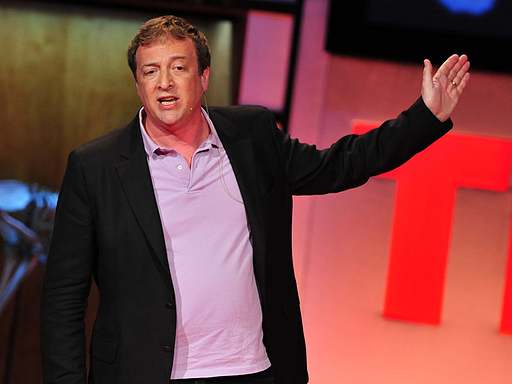
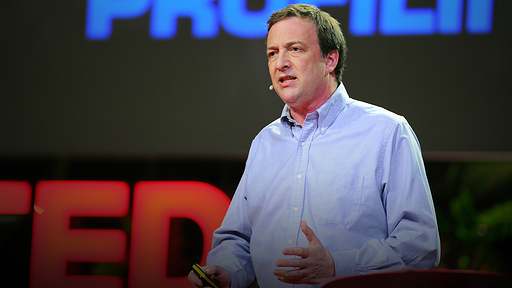
Journalist Misha Glenny leaves no stone unturned (and no failed state unexamined) in his excavation of criminal globalization.
In minute detail, Misha Glenny's 2008 book McMafia illuminates the byzantine outlines of global organized crime. Whether it's pot smugglers in British Columbia, oil/weapons/people traffickers in Eastern Europe, Japanese yakuza or Nigerian scammers, to research this magisterial work Glenny penetrated the convoluted, globalized and franchised modern underworld -- often at considerable personal risk.
The book that resulted is an exhaustive look at an unseen industry that Glenny believes may account for 15% of the world's GDP.
Legal society ignores this world at its peril, but Glenny suggests that conventional law enforcement might not be able to combat a problem whose roots lie in global instability.
While covering the Central Europe beat for the Guardian and the BBC, Glenny wrote several acclaimed books on the fall of Yugoslavia and the rise of the Balkan nations. He's researching a new book on cybercrime, of which he says: "The key to cybercrime is what we call social engineering. Or to use the technical term for it, there's one born every minute."
Watch TED's exclusive video Q&A with Glenny: "Behind the Scenes of McMafia" >>
"Glenny is not afraid to put himself in threatening situations -- one imagines his name is conspicuously absent from the Christmascard list of the world's major criminals."The Observer
“[Organized crime] is an industry which has bucked the current recession with equanimity.”
“Bernie Madoff stole $65 billion. That puts him up there on the Olympus of gangsters with the Colombian cartels and the major Russian crime syndicates, but he did this for decades in the very heart of Wall Street, and no regulator picked up on it.”
“How many other Madoffs are there on Wall Street or in the city of London, fleecing ordinary folk and money laundering? I can tell you: quite a few.”
“You don’t have to sleep with prostitutes or take drugs in order to have a relationship with organized crime. They affect our bank accounts. They affect our communications, our pension funds. They even affect the food that we eat and our governments.”
“The Internet has fashioned a new and complicated environment for an age-old dilemma that pits the demands of security against the desire for freedom.”
“There are two types of companies in the world: those that know they’ve been hacked, and those that don’t.”