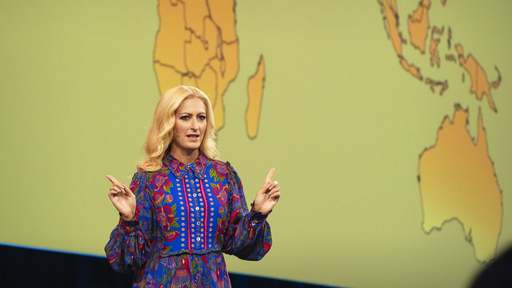
Reality is broken, says Jane McGonigal, and we need to make it work more like a game. Her work shows us how.
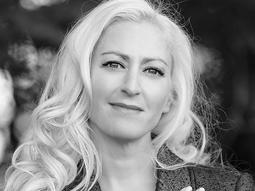
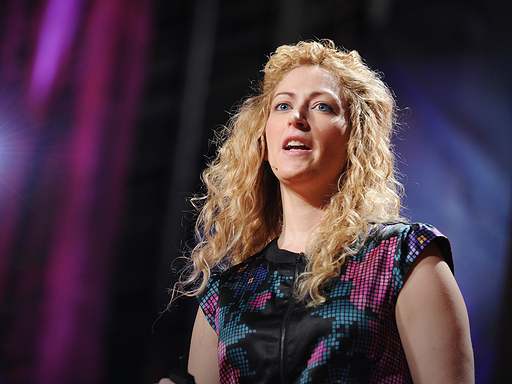
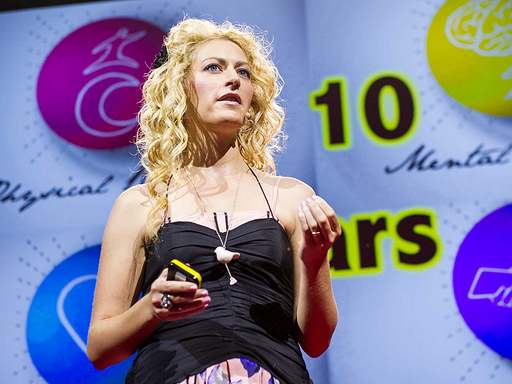
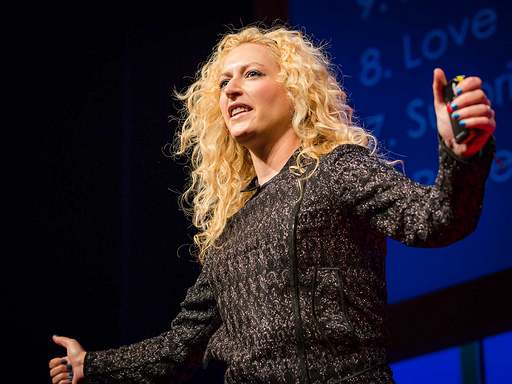
Jane McGonigal asks: Why doesn't the real world work more like an online game? In the best-designed games, our human experience is optimized: We have important work to do, we're surrounded by potential collaborators, and we learn quickly and in a low-risk environment. In her work as a game designer and director of game R&D at the Institute for the Future, she creates games that use mobile and digital technologies to turn everyday spaces into playing fields, and everyday people into teammates. Her game-world insights can explain--and improve--the way we learn, work, solve problems, and lead our real lives.
Several years ago she suffered a serious concussion, and she created a multiplayer game to get through it, opening it up to anyone to play. In “Superbetter,” players set a goal (health or wellness) and invite others to play with them--and to keep them on track. While most games, and most videogames, have traditionally been about winning, we are now seeing increasing collaboration and games played together to solve problems.
"I say we work together and ... create a new world we all want to participate in. I am not sure what that looks like, but I applaud Jane McGonigal for sharing a peek at it with me."Kelly Krolik
“My goal for the next decade is to try to make it as easy to save the world in real life as it is to save the world in online games.”
“When we play a game, we tackle tough challenges with more creativity, more determination, more optimism, and we're more likely to reach out to others for help.”
“If you can manage to experience three positive emotions for every one negative emotion … you dramatically improve your health and your ability to successfully tackle any problem you're facing.”
“A traumatic event doesn't doom us to suffer indefinitely. Instead, we can use it as a springboard to unleash our best qualities and lead happier lives.”
“Avatars are a way to express our true selves, our most heroic, idealized version of who we might become.”