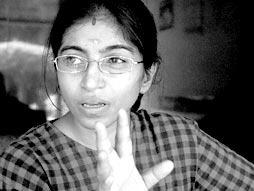
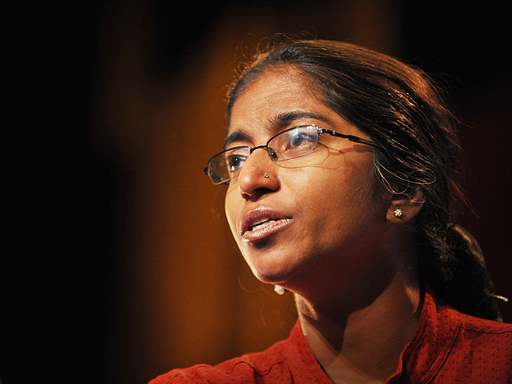
Sunitha Krishnan is galvanizing India’s battle against sexual slavery by uniting government, corporations and NGOs to end human trafficking.
Why you should listen
Each year, some two million women and children, many younger than 10 years old, are bought and sold around the globe. Impassioned by the silence surrounding the sex-trafficking epidemic, Sunitha Krishnan co-founded Prajwala, or "eternal flame," a group in Hyderabad that rescues women from brothels and educates their children to prevent second-generation prostitution. Prajwala runs 17 schools throughout Hyderabad for 5,000 children and has rescued more than 2,500 women from prostitution, 1,500 of whom Krishnan personally liberated. At its Asha Niketan center, Prajwala helps young victims prepare for a self-sufficient future.
Krishnan has sparked India's anti-trafficking movement by coordinating government, corporations and NGOs. She forged NGO-corporate partnerships with companies like Amul India, Taj Group of Hotels and Heritage Hospitals to find jobs for rehabilitated women. In collaboration with UN agencies and other NGOs, she established printing and furniture shops that have rehabilitated some 300 survivors. Krishnan works closely with the government to define anti-trafficking policy, and her recommendations for rehabilitating sex victims have been passed into state legislation.
What others say
“The sense that thousands and millions of children and young people are being sexually violated and that there’s this huge silence about it around me angers me.” — Sunitha Krishnan