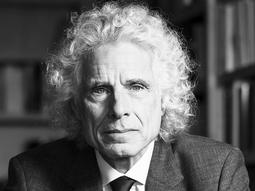
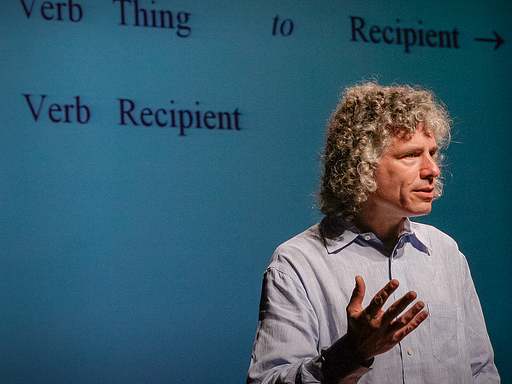
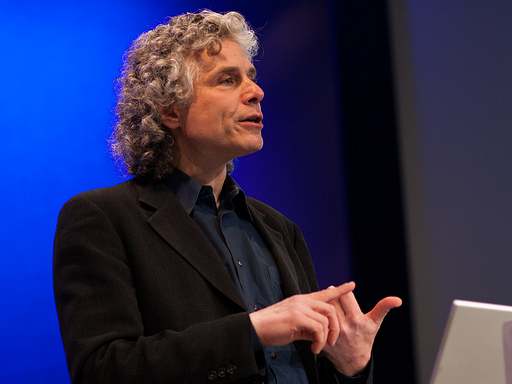
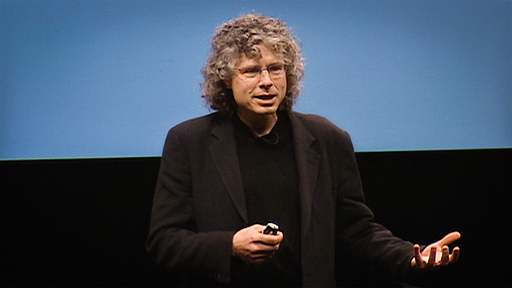
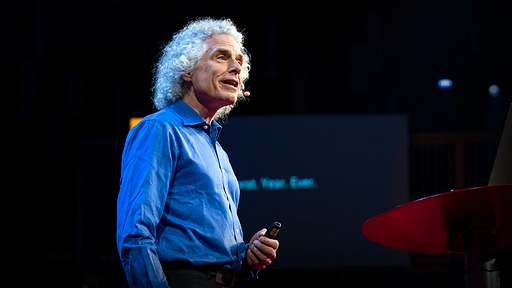
Linguist Steven Pinker questions the very nature of our thoughts -- the way we use words, how we learn, and how we relate to others. In his best-selling books, he has brought sophisticated language analysis to bear on topics of wide general interest.
Steven Pinker's books have been like bombs tossed into the eternal nature-versus-nurture debate. Pinker asserts that not only are human minds predisposed to certain kinds of learning, such as language, but that from birth our minds -- the patterns in which our brain cells fire -- predispose us each to think and behave differently.
His deep studies of language have led him to insights into the way that humans form thoughts and engage our world. He argues that humans have evolved to share a faculty for language, the same way a spider evolved to spin a web. We aren't born with “blank slates” to be shaped entirely by our parents and environment, he argues in books including The Language Instinct; How the Mind Works; and The Blank Slate: The Modern Denial of Human Nature.
Time magazine named Pinker one of the 100 most influential people in the world in 2004. His book The Stuff of Thought was previewed at TEDGlobal 2005. His latest book, The Better Angels of Our Nature, looks at our notion of violence.
"'Better Angels' is a monumental achievement. His book should make it much harder for pessimists to cling to their gloomy vision of the future. Whether war is an ancient adaptation or a pernicious cultural infection, we are learning how to overcome it. "Slate.com
“Anything that makes it easier to imagine trading places with someone else increases your moral consideration for that other person.”
“The decline of violence is a fractal phenomenon. You can see it over millennia, over centuries, over decades and over years.”
“The more you think about and interact with other people, the more you realize that it is untenable to privilege your interests over theirs.”
“We are probably living in the most peaceful time in our species’ existence.”