
News
Remembering Sir Ken Robinson
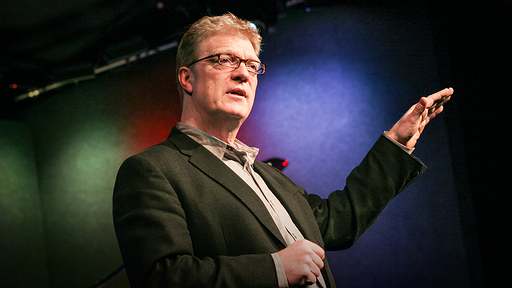
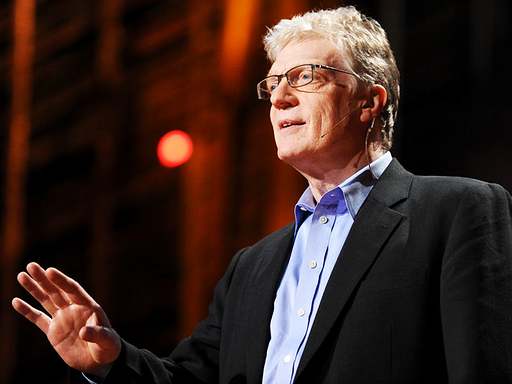
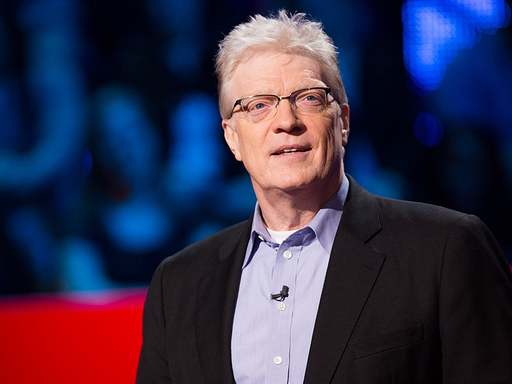
Sir Ken Robinson believed that creativity is the essential act of living, of navigating a fundamentally unpredictable world. His work lives on in the minds of millions.
Continue reading
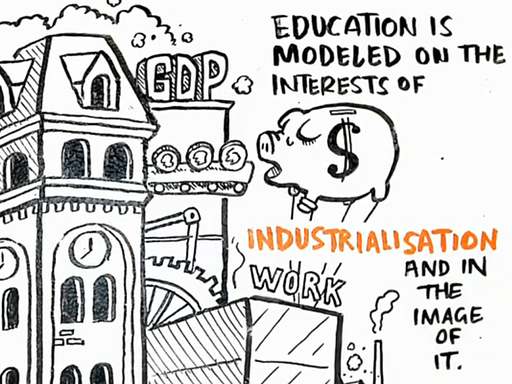
Why don't we get the best out of people? Sir Ken Robinson believed that it's because we've been educated to become good workers, rather than creative thinkers. Students with restless minds and bodies -- far from being cultivated for their energy and curiosity -- are ignored or even stigmatized, with terrible consequences. "We are educating people out of their creativity," Robinson said. It's a message with deep resonance. Robinson's first TED Talk has been distributed widely around the Web since its release in June 2006. The most popular words framing blog posts on his talk? "Everyone should watch this."
A visionary cultural leader, Sir Ken led the British government's 1998 advisory committee on creative and cultural education, a massive inquiry into the significance of creativity in the educational system and the economy, and was knighted in 2003 for his achievements. His 2009 book, The Element: How Finding Your Passion Changes Everything, is a New York Times bestseller and has been translated into 21 languages. A 10th-anniversary edition of his classic work on creativity and innovation, Out of Our Minds: Learning to be Creative, was published in 2011. His 2013 book, Finding Your Element: How to Discover Your Talents and Passions and Transform Your Life, is a practical guide that answers questions about finding your personal Element. And in Creative Schools: The Grassroots Revolution That’s Transforming Education, he reasoned for an end to our outmoded industrial educational system and proposed a highly personalized, organic approach that draws on today’s unprecedented technological and professional resources to engage all students.
Sir Ken Robinson believed that creativity is the essential act of living, of navigating a fundamentally unpredictable world. His work lives on in the minds of millions.
Continue readingTED is launching a new way for curious audiences to immerse themselves more deeply in some of the most compelling ideas on our platform: The TED Interview, a long-form TED original podcast series. Beginning October 16, weekly episodes of The TED Interview will feature head of TED Chris Anderson deep in conversation with TED speakers about the ideas they shared in their […]
Continue readingSir Ken Robinson is not just an amazing orator — he is the most-viewed speaker on TED.com. His three talks have been viewed an astounding 21.5 million times, making him the sneezing baby panda of the TED ecosystem. Naturally, this made us curious: what talks does Robinson absolutely love? In this new playlist, Robinson selects […]
Continue reading