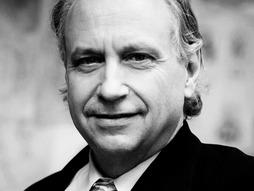
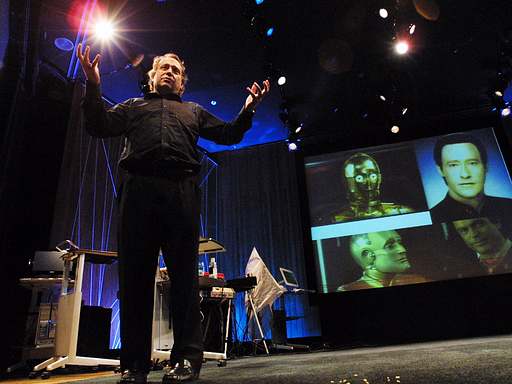
Rodney Brooks builds robots based on biological principles of movement and reasoning. The goal: a robot who can figure things out.
MIT professor Rodney Brooks studies and engineers robot intelligence, looking for the holy grail of robotics: the AGI, or artificial general intelligence. For decades, we've been building robots to do highly specific tasks -- welding, riveting, delivering interoffice mail -- but what we all want, really, is a robot that can figure things out on its own, the way we humans do.
Brooks realized that a top-down approach -- just building the biggest brain possible and teaching it everything we could think of -- would never work. What would work is a robot who learns like we do, by trial and error, and with many separate parts that learn separate jobs. The thesis of his work which was captured in Fast, Cheap and Out of Control,went on to become the title of the great Errol Morris documentary.
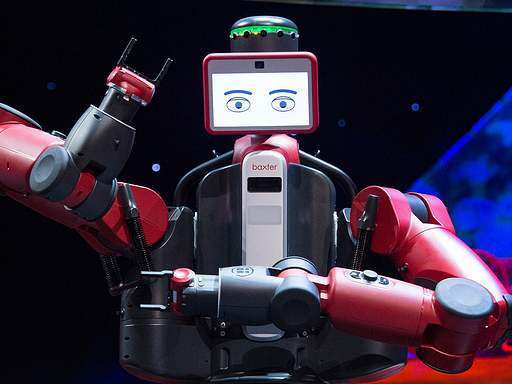
A founder of iRobot, makers of the Roomba vacuum, Brooks now heads Rethink Robotics, whose mission is to apply advanced robotic intelligence to manufacturing and physical labor. Its first robot: the versatile Baxter. Brooks is affiliated with CSAIL, MIT's Computers Science and Artificial Intelligence Laboratory.
"When I look out in the future, I can’t imagine a world, 500 years from now, where we don’t have robots everywhere."Rodney Brooks
“If we are machines, then in principle at least, we should be able to build machines out of other stuff, which are just as alive as we are.”
“Two big questions that people ask me are: if we make these robots more and more human-like, will we accept them — will they need rights eventually? And the other question people ask me is, will they want to take over?”
“We have to accept that we are just machines. That’s certainly what modern molecular biology says about us.”
“When I look out in the future, I can’t imagine a world, 500 years from now, where we don’t have robots everywhere.”