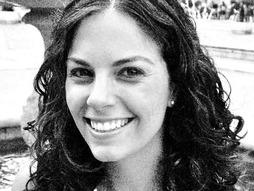
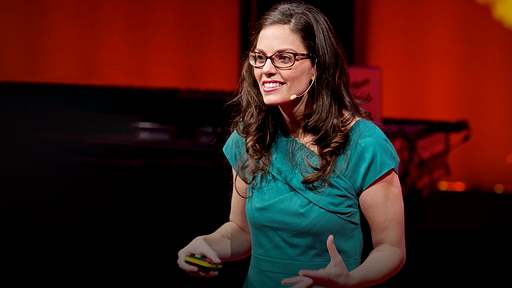
Neuroscientist Molly Crockett studies altruism, morality and value-based decision-making in humans.
Can what you eat influence your sense of justice? Will a simple drug make you more likely to help a stranger on the street? Neuroscientist Molly Crockett asks and answers these and many other fascinating questions about the influence of neurotransmitters, like dopamine and serotonin, on altruism and decision-making. Neuroscience may hold the answer, says Crockett, but there are still limits to our ability to draw conclusions from neural research. Crockett received her PhD from the University of Cambridge in 2011, and she is currently working with support from the four-year Sir Henry Wellcome Postdoctoral Fellowship studying human altruism in labratories worldwide.
“If someone tries to sell you something with a brain on it … ask to see the evidence. Ask for the part of the story that's not being told.”
“[Neuroscientists] haven't found a ‘buy’ button inside the brain, we can't tell whether someone is lying or in love just by looking at their brain scans, and we can't turn sinners into saints with hormones.”
“When you see activation in [a brain region], you can't just pick and choose your favorite explanation.”