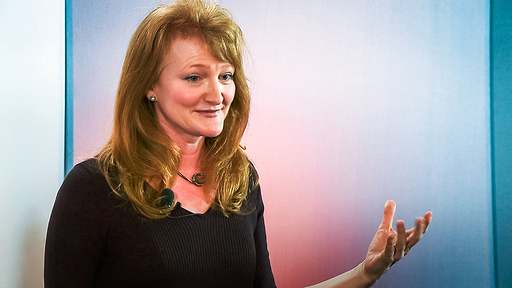
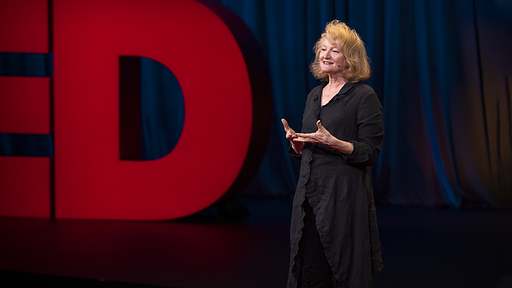
With her groundbreaking "On Being" podcast, Krista Tippett takes up the ancient, animating questions for 21st-century life: What does it mean to be human? How do we want to live? And who will we be to each other?
Why you should listen
Peabody Award-winning broadcaster Krista Tippett is the founder and CEO of The On Being Project and host of its titular podcast, which sits at the intersection of spirituality, science, creativity and the arts.
On Being has been named to best podcast lists by
The New York Times,
The Wall Street Journal,
The Guardian, the Webbys, iHeart Radio and more, and it has been downloaded more than 450 million times. The show pursues deep thinking, social courage, moral imagination and joy. Meanwhile, On Being Studios produces a second podcast,
Poetry Unbound, while later in 2023 comes the Lab for the Art of Living, a collection of tools and gatherings in service of and informed by
On Being content.
Tippett started her career as a journalist and diplomat in Cold War Berlin. She was awarded a National Humanities Medal by President Barack Obama in 2014 for "thoughtfully delving into the mysteries of human existence" and received the Four Freedoms Medal from the Roosevelt Institute in 2019. A best-selling author, her most recent book is
Becoming Wise: An Inquiry into the Mystery and Art of Living.