Speakers Bonnie Bassler: Molecular biologist

Bonnie Bassler

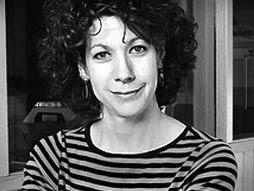
Bonnie Bassler studies how bacteria can communicate with one another, through chemical signals, to act as a unit. Her work could pave the way for new, more potent medicine.

Why you should listen to her:

In 2002, bearing her microscope on a microbe that lives in the gut of fish, Bonnie Bassler isolated an elusive molecule called AI-2, and uncovered the mechanism behind mysterious behavior called quorum sensing -- or bacterial communication. She showed that bacterial chatter is hardly exceptional or anomolous behavior, as was once thought -- and in fact, most bacteria do it, and most do it all the time. (She calls the signaling molecules "bacterial Esperanto.")

The discovery shows how cell populations use chemical powwows to stage attacks, evade immune systems and forge slimy defenses called biofilms. For that, she's won a MacArthur "genius" grant -- and is giving new hope to frustrated pharmacos seeking new weapons against drug-resistant superbugs.

Bassler teaches molecular biology at Princeton, where she continues her years-long study of V. harveyi, one such social microbe that is mainly responsible for glow-in-the-dark sushi. She also teaches aerobics at the YMCA.

"She's really the one who's shown that this is something that all these bacteria are doing all the time. And if we want to understand them, we have to understand quorum sensing."
Ned Wingreen, Princeton, on Nova ScienceNOW

Email to a friend »

Quotes by Bonnie Bassler

  • “[Bacteria] have an incredibly complicated chemical lexicon that … allows bacteria to be multicellular. In the spirit of TED they’re doing things together because it makes a difference.”

    Watch this talk »

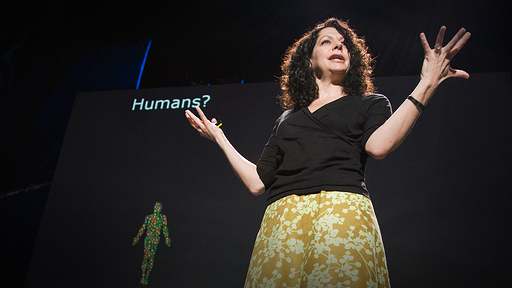
  • “You think of yourselves as human beings, but I think of you as 99 percent bacterial.”

    Watch this talk »

More TEDQuotes…