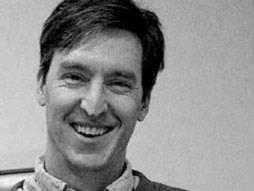
Steven Levitt's eye-opening Freakonomics took economic theory into the real world of suburban parenting and urban drug gangs, turning conventional wisdom upside-down. In 2006, Time magazine listed the University of Chicago economist among its "100 People Who Shape Our World."
Why you should listen to him:
With his 2005 book Freakonomics (co-authored with Stephen Dubner, a writer who profiled him for the New York Times), Steven Levitt carried hardcore economic method into the squishy real world and produced a pop-culture classic. Freakonomics is both an economics textbook and a series of cautionary tales about the fallacy of conventional wisdom. Levitt examines the links between real-world events, and finds many instances where the data simply doesn't back up popular belief.
He asks provocative questions: If selling crack is so lucrative, why do dealers live with their mothers? Does parental doting really improve children's test scores? Did New York City's crime rate really drop because of police tactics (or population trends)? His controversial answers stir debate, and sometimes backlash.
"Imagine a whip-smart economist with a sprawling imagination. Now imagine he's 9 years old and wants to know everything. That is the basic profile of Steven Levitt."Time
Blog Posts on TED
-
"Crack economics" researcher tells his story – January 13, 2008
Stephen Levitt calls him the "main character" in his TEDTalk on crack economics: Sudhir Venkatesh, the young grad student who infiltrated a Chicago crack-dealing gang. His research brought back reams of sociological data -- and offers an unfiltered glimpse into gang life. In his new book, Gang Leader for a Day, Venkatesh writes about his experiences during the six years he spent with the Black Kings gang in Chicago's Robert Taylor Homes. Venkatesh is interviewed on NPR, whose site also offers an excerpt from his book, while the Chicago Sun-Times has an MP3 of the author reading his work.
More -
Steve Levitt, Freakonomics, abortion and crime – December 6, 2005
More
TED speaker Steve Levitt, author of the best-selling Freakonomics, faced new accusations this past week that he'd made critical mistakes in his controversial claim that the main reason crime rates fell in the 90's was because of the legalization of abortion in the 70's. At his blog, he's just posted a vigorous defence. The debate may be too technical for us mere lay-people, but it's clear he's not backing down. -
A freak blog migrates into an institution – August 14, 2007
After over two years at freakonomics.com, Steven Levitt and Stephen Dubner -- co-authors of the 3-million-copies "Freakonomics" -- last week moved their blog under a bigger and more institutional brand, that of the Opinion section of the New York Times' website.
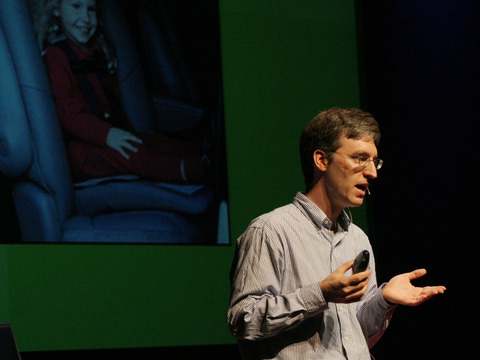
Levitt spoke at TED2004 offering a preview of a chapter of "Freakonomics" titled "Why do crack dealers still live with their moms?" (watch the video) and exposing his very unconventional approach to economic analysis.
The migration of the blog wouldn't be a remarkable event (even though the blog is very interesting and highly interactive, attracting hundreds of readers' comments) were it not for two facts. The move, in a way, closes a circle: "Freakonomics" was born from a profile that Dubner wrote about Levitt for the New York Times Magazine in 2003, "The Economist of Odd Questions". It also underscores a nascent trend, that of well-known bloggers moving into newspapers' and magazines' websites, creating synergies and pooling readerships -- another step towards the hybridization of the media. The NYT is not the first to try this strategy: France's Le Monde, for example, has been doing so for a while.
More -
Vote for your favorite public intellectuals – May 1, 2008
Not to be outdone by the Time 100, the journals Foreign Policy and Prospect have together released a list of the Top 100 public intellectuals -- with voting. Many TEDTalks favorites appear on the list, and you can help choose the eventual top 20 by voting for your very own top 5. From Foreign Policy's site:
Although the men and women on this list are some of the world’s most sophisticated thinkers, the criteria to make the list could not be more simple. Candidates must be living and still active in public life. They must have shown distinction in their particular field as well as an ability to influence wider debate, often far beyond the borders of their own country.
TEDTalks speakers on this top 100 list include George Ayittey, Steven Pinker, Neil Gershenfeld, Malcolm Gladwell, Craig Venter, Al Gore, Richard Dawkins, Vilayanur Ramachandran, Larry Lessig, Steven Levitt, E.O. Wilson, Dan Dennett and Bjorn Lomborg -- and look for upcoming TEDTalks from others on this list, including Paul Collier, who spoke at TED2008 about "the bottom billion."
See the full list of 100 >> More

