Science
The top 7 COVID-19 vaccine questions, answered
Data expert and economist Emily Oster goes through what we know so far about the new COVID-19 vaccines.
Continue reading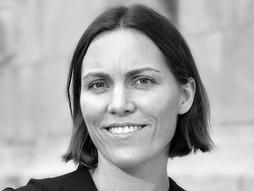
Emily Oster is a Professor of Economics at Brown University. She holds a PhD in Economics from Harvard. Prior to being at Brown she was on the faculty at the University of Chicago Booth School.
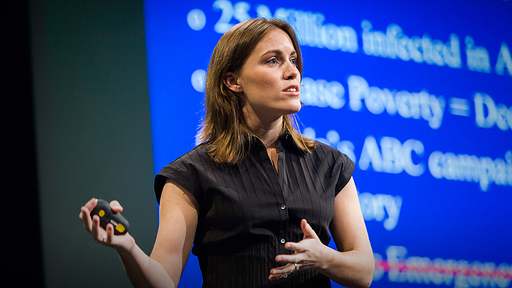
Oster's academic work focuses on health economics and statistical methods. She is interested in understanding why consumers do not always make "rational" health choices -- why do people not eat a fully healthy diet or pursue all recommended preventative health behaviors? Her work also concerns methods for learning causal effects from observational data. Earlier academic work included studies of HIV in Africa (the topic of her 2007 TED Talk) and medieval witchcraft.
In addition to her academic work, Oster has written two books. Expecting Better analyzes the data behind many common pregnancy rules, and aims to improve decision-making for pregnant women. Cribsheet does the same for early childhood -- what does the evidence really say on breastfeeding, co-sleeping or potty training.
Oster lives in Providence, RI with her husband (also an economist) and two children.
Data expert and economist Emily Oster goes through what we know so far about the new COVID-19 vaccines.
Continue readingOver the past week, we’ve noticed a lot of fascinating TED-related news items. Here, some highlights. Yesterday, U.S. attorney general Eric Holder announced a major relaxing of mandatory minimum sentencing for drug possession. He asked prosecutors to use their discretion when charging nonviolent, low-level offenders and opt not to list the quantities of drugs involved […]
Continue readingEvery year, on December 1, the globe comes together on World AIDS Day to learn more about the virus and to show support for those have been infected. Currently, there are approximately 33 million people living with HIV, while stigma and prejudice continue to cripple educational efforts in many countries. To increase our awareness of […]
Continue reading