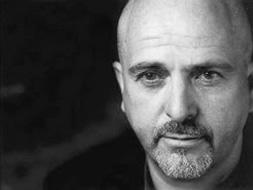
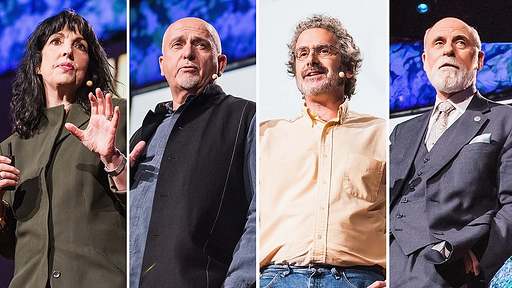
Musician Peter Gabriel is the co-founder of WITNESS, which distributes digital cameras to empower people to document human-rights abuses. A founder of the band Genesis, Gabriel is now a solo artist and record mogul, championing world music and innovation.
Why you should listen to him:
In 1988, Peter Gabriel embarked on the Amnesty International Human Rights Now! tour. During his travels, Gabriel encountered people with horrific stories to tell: stories of torture, murder and abuse that had been denied and forgotten by those in power. Gabriel became convinced of the profound need to shine a spotlight into these unseen corners of the world.
In 1992, he co-founded the watchdog group WITNESS, which arms ordinary people with digital cameras, enabling them to create and distribute films about the states of their own lives, transforming individual stories of abuse and violation into powerful tools for justice. His tireless advocacy has helped build WITNESS into one of the world’s great engines of citizen journalism.
"Peter Gabriel is recognized around the world for his activities for peace and humanity."Mikhail Gorbachev
Blog Posts on TED
-
A taste of TED, or two – June 14, 2007
Watch here a new "taste of TED" video documentary shot at this year's conference, in March. In 7 minutes it gives a great sense of the atmosphere at TED and of the content of the conference. It is also available elsewhere on this site, and you can download it here (158 Mb).
Another documentary about TED, "The future we will create: Inside the world of TED", which was filmed at TED2006, is been shown this coming Saturday night at the Maui Film Festival. Producers Daphne Zuniga and Steven Latham got full access to the conference, and used it wisely to take the viewers behind the scenes -- on top of showing speakers ranging from Al Gore to Peter Gabriel. The full-feature documentary (74 minutes) had a premiere screening in New York a few weeks ago and later in Los Angeles. It has been released on Netflix (US only) last week.
-
Dick Clark on Jill Bolte Taylor – May 1, 2008
Among the many TEDTalks stars on this year's Time 100 list, Jill Bolte Taylor gets perhaps the coolest biographer: Dick Clark. He writes:
Through her writings and lectures, she has done perhaps more than anyone else to explain, both to the healthy and the stricken, what a stroke is.
Read the whole list >> -
Web-based ways to make a difference – January 1, 2008
To help those of us making resolutions this week, here is a sampling of web tools for making a difference, inspired by TEDTalks speakers: + Share Ron Eglash's cool math tools, for studying math via breakdancing, Latin beats and cornrow braids + Dive into Richard Baraniuk's Connexions, a massive repository of open-source class materials + Visit Phil Borges' Bridges to Understanding site, which rounds up student films from all over the world + Browse Erin McKean's booklist "So You Want to Be a Lexicographer?" + Check out the beta of Gapminder World, powered by Hans Rosling's Trendalyzer software + Watch video and take action at The Hub, a platform for human rights media and action -- presented by Peter Gabriel's WITNESS + Discuss sustainable design and materials on the Cradle to Cradle forums, inspired by the work of William McDonough + Learn more about Nicholas Negroponte's One Laptop per Child + Catch up with Majora Carter's Sustainable South Bronx -- or make a specific gift to SSBx via Changing the Present + Calculate your personal CO2 production -- and start helping the planet -- at the website for Al Gore's An Inconvenient Truth, produced by Jeff Skoll TEDTalks is full of ideas for making change for oneself and for others -- many more than we can list here. Please share your suggestions for other TEDTalks-inspired change!
-
Peter Gabriel's "Hub" – November 13, 2007
Witness, the non-profit led by Peter Gabriel (watch his TED2006 talk) has launched "The Hub", an online platform allowing anyone to use camcorders, cell phones and cameras to upload, share, and discuss human rights-related footage, as well as organize advocacy campaigns. A few months ago, announcing the project, Peter had described it as "a sort of YouTube + Wikipedia for human rights" intended to make human right abuses "not forgotten nor discarded".

